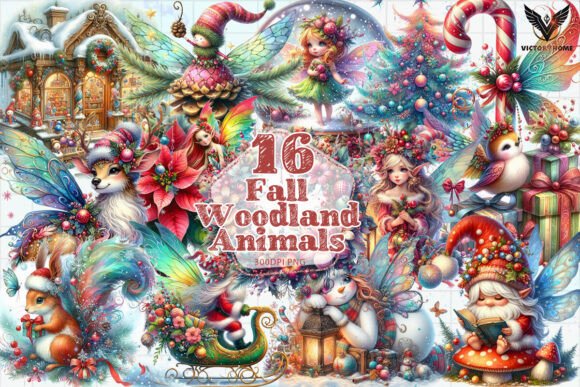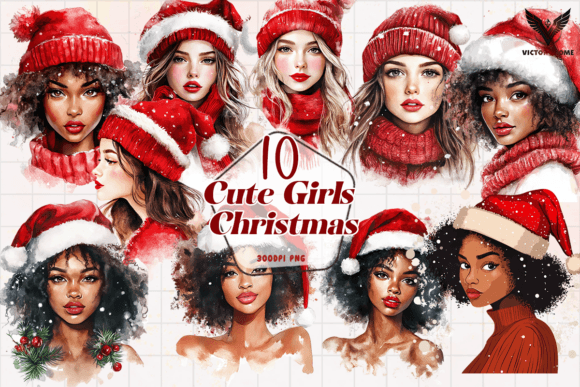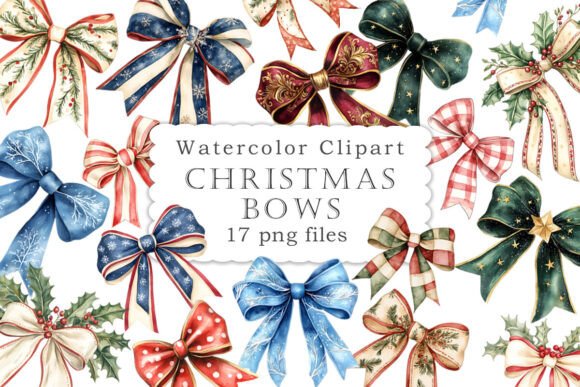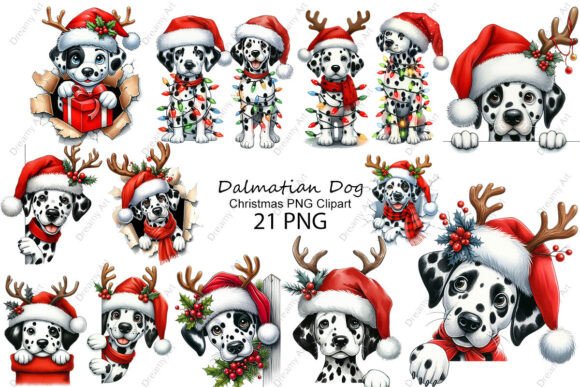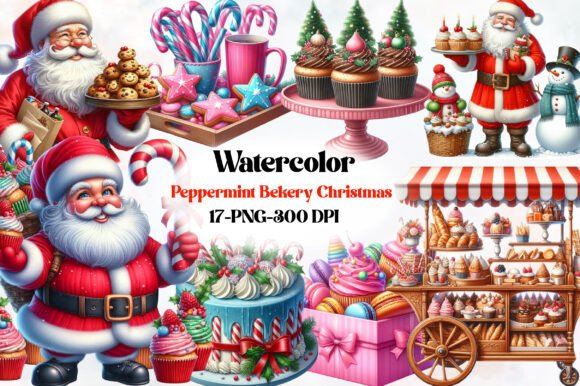
Christmas Peppermint Bakery Clipart Review
As a designer who spends half her life staring at stitch charts and the other half troubleshooting tension issues on vintage machines, I approach every new design file with a mix of excitement and skepticism. We have all been there: you find a cute digital asset, buy it thinking it will be perfect for your holiday Etsy shop, only to realize after three hours of stitching that the details are going to turn into a muddy mess. That is exactly why I am reviewing the Christmas Peppermint Bakery Clipart today. This isn’t just about whether it looks pretty in a JPEG; it is about how it translates from a flat illustration into a tangible, wearable, or usable embroidery project.
The market is flooded with generic holiday motifs, but this specific piece stands out because it taps into a very specific mood. It evokes the warmth of a cozy winter morning, the smell of fresh gingerbread, and the playful nostalgia of peppermint treats. For any Etsy seller, small business owner, or craft entrepreneur, capturing that feeling is half the battle. The visual personality here is cheerful yet refined, avoiding the cluttered look that often plagues busy seasonal designs. It feels like a natural fit for high-end boutique branding rather than mass-produced discount merchandise.
First Impressions and Visual Mood
When I first loaded the Christmas Peppermint Bakery Clipart into my digitizing software, the layout immediately suggested versatility. The composition balances negative space with enough detail to hold interest without overwhelming the eye. In embroidery, less is often more, especially when working with dense fill stitches. This design strikes a smart balance. The shapes are clean, which means fewer thread breaks and a smoother final product.
The theme is undeniably strong. It bridges the gap between traditional Christmas aesthetics and modern lifestyle branding. It is not just "Christmas"; it is "cozy Christmas." This distinction matters immensely when you are targeting customers looking for personalized gifts or holiday embroidery items that feel special and curated. The color palette implied by the clipart—likely rich reds, crisp whites, and perhaps deep greens or warm browns—suggests a classic combination that never goes out of style. However, as we know, the magic happens in the thread selection. The right choice of thread colors can make this design pop, while a poor match can dull its impact.
Real-World Application: Where This Design Shines
I put this design through its paces mentally, imagining it on various substrates. My primary test case was a custom embroidered tote bag. Tote bags are a staple for craft fair products and small shop products, but they present unique challenges due to fabric texture and stability. On a sturdy canvas tote, this design would look incredibly professional. The clean lines of the bakery theme complement the utilitarian nature of a tote, creating a look that is both functional and fashionable. It works beautifully as a tote bag design for shoppers who want to carry their holiday groceries or books in style.
Another strong contender for this artwork is sweatshirt embroidery. Think about a crewneck sweatshirt in a cream or heather gray. Placing this clipart on the chest or across the back creates an instant statement piece. The "bakery" aspect adds a touch of whimsy that resonates well with adults who appreciate comfort and humor. It is also highly suitable for apron embroidery. If you are selling to home bakers or cooking enthusiasts, a kitchen towel or apron featuring this motif is a no-brainer. It ties directly into the activity the user will perform, making it a thoughtful personalized gift for housewarmings or holiday exchanges.
For those in the nursery decor niche, this design could translate well to baby clothes or blankets. The soft, sweet imagery fits perfectly within the aesthetic of baby embroidery. Parents love buying items that signal warmth and care, and a small, delicately stitched version of this clipart on a onesie or burp cloth hits that emotional note perfectly. It is also a fantastic candidate for an embroidered patch. Patches are trendy right now, and adding this to a denim jacket or a backpack offers a customizable way for customers to express their love for the season.
Technical Considerations and Potential Pitfalls
While the design has great potential, no artwork is perfect for every application. As an experienced reviewer, I must highlight where caution is needed. One area to watch closely is the stitch density. If the original vector or raster image contains tiny, intricate details—such as fine sprinkles or delicate text—they may not survive the transition to thread. When converting this to a machine embroidery design, these small elements might merge together, creating a blobby appearance. I always advise testing the design on scrap fabric first to see how the smallest details render. If the resolution is too low, you may need to simplify the design before digitizing.
Fabric choice is another critical factor. This design performs best on stable, woven fabrics like cotton, linen, or heavy canvas. Avoid using it on stretchy knits unless you are using a proper stabilizer and potentially a tear-away backing to prevent distortion. Textured fabrics, such as terry cloth or boucle, can obscure the fine details of the clipart, leading to a loss of definition. Similarly, dark fabrics require careful underlay stitching to ensure the thread colors stand out. If you are working with thin fabric, you must use a stabilizer to prevent puckering, which can ruin the professional finish of the finished product.
Curved surfaces, like caps or hats, also pose a challenge. While possible, the curvature can distort the perspective of the clipart if not digitized specifically for that shape. A flat hoop design placed on a curved surface might look stretched or compressed. For best results, consider using this design on flat items like pillow covers, tea towels, or garment fronts.
Practical Tips for Embroidery Designers
- Test on Scrap Fabric: Never assume a design will work perfectly on your final material. Always run a test stitch-out to check for tension issues and detail clarity.
- Check Thread Contrast: Ensure your chosen thread colors provide enough contrast against the fabric. Low contrast can make the design hard to read and reduce its visual appeal.
- Review Stitch Density: High density can make the fabric stiff and bulky. For items like baby clothes or lightweight tees, opt for lighter density settings to maintain comfort.
- Inspect Small Details: Zoom in on the digitized file to ensure that tiny elements are large enough to be stitched clearly. If they are too small, consider simplifying the design.
- Use Proper Stabilizer: Match your stabilizer to your fabric type. Heavy fabrics need heavy stabilizers, while delicate fabrics require lightweight options to prevent damage.
- Confirm Licensing: Before selling any commercial embroidery items, verify the license terms of the digital embroidery file. Some licenses allow personal use only, while others permit commercial sales of finished goods.
Final Verdict
The Christmas Peppermint Bakery Clipart is a versatile and charming addition to any designer’s library. Its strong thematic appeal and clean composition make it ideal for a wide range of projects, from custom apparel to kitchen towels. By paying attention to technical details like stitch density and fabric choice, you can create beautiful, high-quality products that customers will love. Whether you are an Etsy seller looking to boost your holiday sales or a hobbyist wanting to make a special personalized gift, this design offers a solid foundation for success. Just remember to test thoroughly and prioritize quality over speed, and you will end up with a handmade product that truly shines.