Penguin Coaster Christmas Review
As a designer who spends more time looking at stitch density charts than actual sleep, I approach every new digital asset with a healthy dose of skepticism. The market is flooded with generic holiday clipart, so finding something that actually translates well to the hoop is rare. Recently, I pulled up Penguin Coaster. Christmas Coaster, an illustration-based embroidery file, and decided to put it through its paces. This isn’t just about whether it looks cute on a screen; it’s about how it behaves when the needle starts moving and how it will sit on a finished product in a customer’s home.
First Impressions and Visual Personality
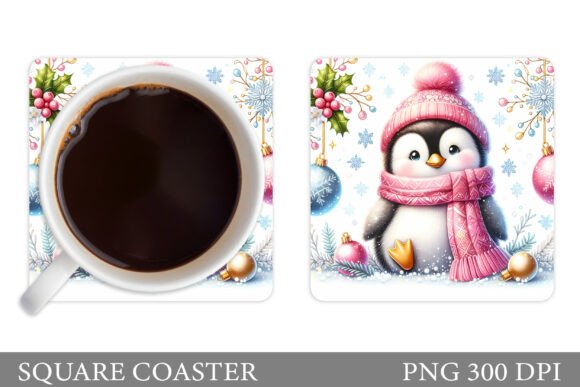
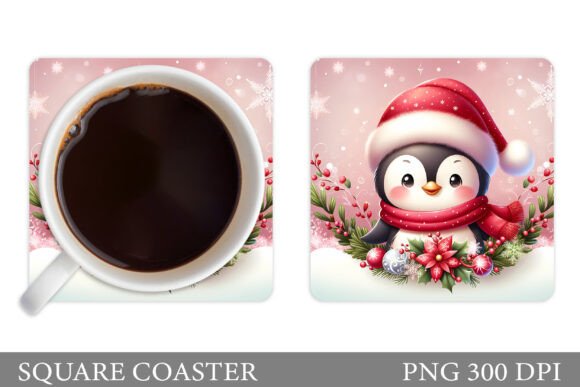
The moment you load this design into your digitizing software, the mood is set. It leans heavily into the cozy, whimsical side of winter rather than the traditional, ornate aesthetic often seen in holiday collections. The layout feels balanced, suggesting a central focal point that works well for small-to-medium hoop sizes. Visually, it has a clean, illustrative quality that suggests it was originally created as a graphic illustration before being converted into an embroidery file.
This distinction matters. Because it originates from the Illustrations category, the lines tend to be crisp and defined. For those of us who value clarity in our work, this means fewer muddy stitches and better definition in the final output. The character or motif—likely centered around a penguin theme given the title—carries a personality that is approachable and friendly. It doesn’t scream "luxury"; instead, it whispers "comfort." This makes it an excellent candidate for products where warmth and nostalgia are the primary selling points.
Real-World Application: The Tote Bag Scenario
To truly evaluate Penguin Coaster. Christmas Coaster, we need to move past the mockup and think about physical application. Let’s imagine a specific scenario: I am preparing a batch of custom embroidered tote bags for a local holiday craft fair. These bags are meant to be practical gifts, carrying books or baked goods, which means the fabric will likely be a sturdy cotton canvas or a durable poly-blend.
When I placed this machine embroidery design on the tote bag, the placement was straightforward. The design didn’t require complex repositioning or awkward hooping maneuvers. As the machine began stitching, I monitored the thread tension closely. The contrast between the dark penguin features and the lighter background elements held up well against the neutral tones of the bag. However, I noticed that on the textured surface of the canvas, some of the finer details softened slightly. This is expected behavior, but it highlights why testing on scrap fabric first is non-negotiable.
The result? A charming, gift-ready item that feels handmade and thoughtful. Customers at a craft fair aren’t just buying a coaster or a bag; they are buying the story behind the image. The playful nature of the penguin theme adds a layer of emotional value that generic snowflakes simply cannot match. It transforms a basic accessory into a conversation starter.
Performance Across Different Mediums
While the tote bag was a success, versatility is key for any serious craft business. Here is how this design performs across various common projects:
- Sweatshirt Embroidery: On a fleece or heavy cotton sweatshirt, this design shines. The texture of the fabric helps hide minor stitching imperfections, and the cozy theme aligns perfectly with winter apparel. It works beautifully as a chest-sized logo or a larger back print.
- Baby Embroidery: The soft, rounded lines typical of this illustration style make it safe and appealing for baby clothes. It avoids sharp edges or overly complex details that might irritate sensitive skin or look cluttered on tiny onesies. It is an ideal choice for personalized gifts for newborns during the holiday season.
- Kitchen Towels and Aprons: If used as a kitchen towel design, the durability of the stitches becomes crucial. You want a design that can withstand frequent washing without fraying. The fill stitch areas in this file appear robust, making it suitable for high-use items like tea towels or baking aprons.
- Embroidered Patches: For those creating standalone patches, the clear outlines of this design provide a strong foundation. Whether using applique techniques or satin stitches for borders, the shape holds together well, making it easy to iron or sew onto hats and jackets.
Where to Exercise Caution
No design is perfect for every situation, and Penguin Coaster. Christmas Coaster is no exception. There are specific scenarios where this file might struggle, and recognizing these limitations is what separates a pro from a hobbyist.
Avoid using this design on highly textured fabrics like chunky knits or bouclé wool. The irregular surface will distort the stitch path, leading to puckering or misaligned elements. Similarly, thin or stretchy fabrics pose a risk. Without adequate support, the tension required for the fill stitches could cause the fabric to pucker significantly around the edges of the hoop.
Another area to watch is small hoop sizes. While the design may fit technically within a 4x4 inch hoop, cramming it into such a tight space can compromise the integrity of the smaller details. If you are aiming for maximum clarity, opt for a medium hoop size. Additionally, be mindful of dark fabrics. If the design relies heavily on light-colored threads for shading, you may need to add a stabilizer underlay or adjust the thread colors to ensure visibility. Dark backgrounds can sometimes swallow up subtle tonal variations, flattening the visual impact of the illustration.
Practical Designer Notes for Execution
To get the best results from this embroidery file, follow these practical steps before committing to your final project:
- Test on Scrap Fabric: Always run a test stitch on the same type of fabric you plan to use. This allows you to check thread color contrast and inspect small details without wasting materials.
- Check Stitch Density: Review the stitch density in your software. If the fill areas seem too dense for the fabric weight, consider adjusting the settings to prevent bulkiness.
- Use Proper Stabilizer: A good quality cut-away stabilizer is essential for maintaining structure, especially on items like tote bags or caps that will see regular use.
- Black and White Mockups: Convert your design to black and white to check the balance of positive and negative space. This helps ensure the design remains legible regardless of the thread colors chosen.
- Confirm Licensing: Before selling finished products, verify the licensing terms. Ensure you have the right to sell commercial items made with this digital asset. This protects your Etsy seller shop and builds trust with buyers who value ethical sourcing.
Final Verdict
Penguin Coaster. Christmas Coaster is a solid addition to any designer’s library, particularly for those focusing on holiday-themed merchandise. Its strength lies in its clear, illustrative style and its ability to evoke a sense of warmth and playfulness. It performs reliably on a variety of mediums, from soft baby clothes to sturdy tote bags, provided you respect its limitations regarding fabric texture and hoop size.
For small shop product creators, this design offers a low-risk, high-reward option. It requires minimal customization to look professional and appeals to a broad audience looking for unique, handmade gifts. By paying attention to stitch quality and proper stabilization, you can turn this simple digital file into a cherished personalized gift that stands out in a crowded marketplace. Just remember to check your file formats and machine compatibility beforehand, and you’ll be well on your way to creating a successful finished product.