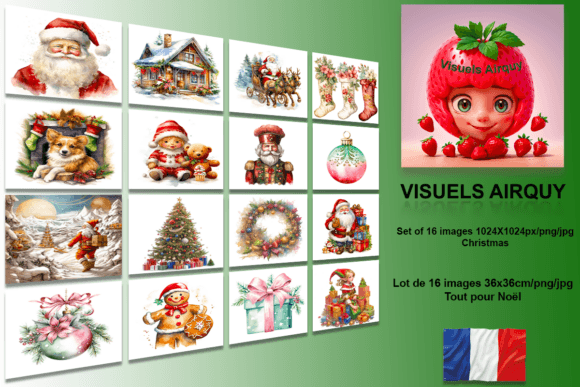
Set of 16 Images All for Christmas
When I sit down to evaluate a new digital asset for my embroidery studio, I am rarely looking for just "pretty pictures." As a designer who turns pixels into stitches, I am looking for viability. I need to know if a design will hold up under the tension of an embroidery machine, how it translates across different fabric textures, and whether it possesses the visual weight to justify a price point in a saturated market. Today, I am putting Set of 16 Images All for Christmas through that same rigorous mental stress test. This collection falls squarely into the Illustrations category, but for those of us in the craft business, illustration is only as good as its execution on cloth.
The First Impression: Mood and Visual Weight
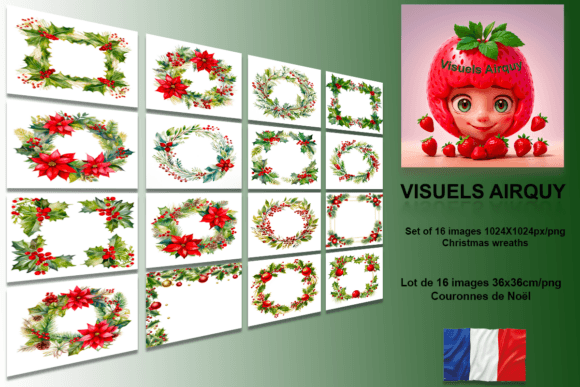
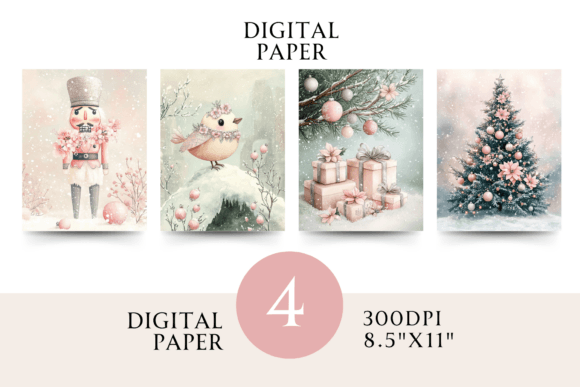
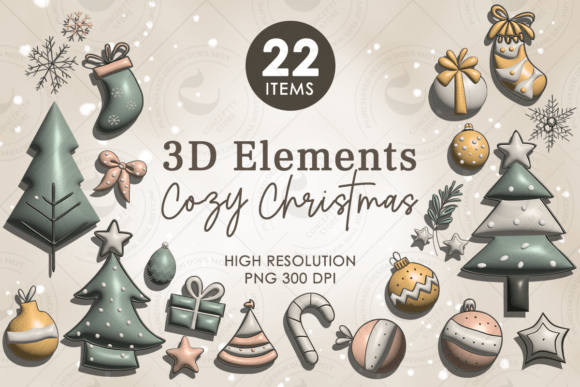
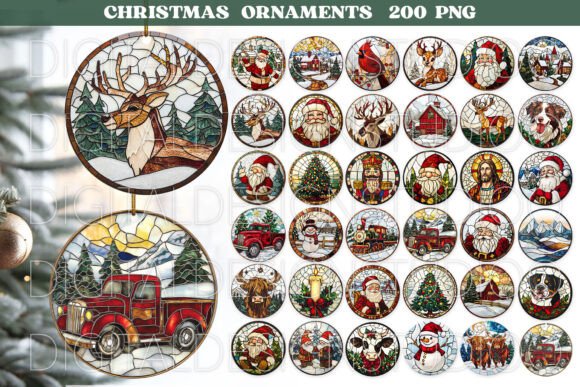
The immediate takeaway from Set of 16 Images All for Christmas is its cohesive narrative. In the world of holiday merchandise, there is often a clash between overly chaotic, neon-heavy graphics and designs that are too minimalist to catch the eye on a rack. This set strikes a balance that feels both nostalgic and modern. The visual personality suggests a hand-drawn or sketched aesthetic, which tends to age better in embroidery than rigid vector lines because the texture of the thread softens the edges naturally.
From a layout perspective, the variety within the set is crucial. For a small shop owner or an Etsy seller, having sixteen distinct images means you are not limited to one hero product. You can curate collections. One image might scream "cozy winter nights" perfect for a throw pillow, while another might have the clean negative space required for a corporate gift tote bag. The mood is warm, inviting, and distinctly festive without being cliché. It avoids the trap of being generic clip art, offering instead a curated feel that elevates the perceived value of any finished product.
Real-World Application: From Screen to Stitch
Let’s imagine a real project scenario. I am preparing a batch of custom embroidered tote bags for a local boutique client who wants a unified holiday look. They want something that looks expensive but is approachable. I pull Set of 16 Images All for Christmas and begin mocking up the designs. The first thing I notice is how well these illustrations translate to a tote bag design. The central focal points are clear, meaning they won’t get lost in the weave of canvas or cotton duck.
However, the versatility extends far beyond bags. Consider the potential for sweatshirt embroidery. Holiday sweatshirts are a staple in the handmade apparel market. When I visualize placing one of these designs on the chest of a heavy cotton fleece, I think about stitch density. If the illustration relies on fine lines, we need to ensure the machine embroidery design has enough fill to prevent the fabric from showing through. These images seem robust enough to handle a mix of satin stitch for outlines and fill stitch for color blocks, creating a tactile surface that customers love to touch.
For the nursery decor market, this set is equally compelling. A baby embroidery project requires a gentler touch. The shapes in this collection appear rounded and safe, avoiding sharp angles that might look aggressive when stitched in bright reds or greens. A onesie or a swaddle blanket featuring one of these motifs would likely sell quickly during the Q4 rush because it hits the sweet spot of "giftability." It works as a personalized gift for grandparents, a wedding shower favor, or a simple treat for oneself.
Technical Challenges and Where to Exercise Caution
No design is perfect for every application, and professional judgment requires knowing where to draw the line. While Set of 16 Images All for Christmas is strong, there are specific contexts where it may struggle. I would advise extreme caution when attempting to use these designs on curved surfaces like caps or hats. Unless the design has been specifically digitized with curve compensation, flat illustrations can distort significantly on the crown of a cap, warping the intended shape of the image.
Furthermore, consider the fabric substrate. If you plan to use these on textured fabrics like bouclé wool or heavily napped fleece, the fine details of the illustration may disappear. The thread will sink into the pile, turning crisp lines into muddy blobs. Similarly, working with thin fabric or highly stretchy fabric like jersey knit requires a stabilizer strategy that matches the design's density. If the design has high stitch density, it might pucker lightweight materials, ruining the drape of a custom apparel item.
Another area of concern is scale. Attempting to downscale complex elements of these illustrations to fit inside a small hoop size can result in loss of definition. Tiny details that look charming on a screen may become indistinguishable blobs of thread when reduced to two inches wide. I always recommend testing these designs at their smallest intended size before committing to a production run. Additionally, if you are using dark fabric, you must account for the base layer. Dark backgrounds require a dense underlay to prevent the fabric color from bleeding through light-colored threads, which can alter the mood of the original illustration.
Impact on Brand and Customer Trust
In the digital age, your printable mockup is often the first interaction a customer has with your product. Using high-quality source files like Set of 16 Images All for Christmas ensures that your digital previews look professional. There is nothing that kills buyer engagement faster than a pixelated or poorly proportioned image. When a customer sees a crisp, well-composed design in a listing, it subconsciously signals that the physical product will be of equal quality. This builds trust and justifies a premium price point.
For Etsy sellers and craft business owners, consistency is key. Having a set of related images allows you to maintain brand coherence across multiple products. You can create a "Holiday Collection" where the packaging, the tags, and the products all share the same visual language. This level of curation separates hobbyists from serious entrepreneurs. It shows that you understand design assets and how they contribute to a holistic brand experience.
Practical Designer Notes for Execution
Before you load this file into your hoop, follow these essential steps to ensure success:
- Test on Scrap Fabric: Always run a test stitch-out on the exact fabric and stabilizer combination you plan to use for the final product. This reveals puckering, thread breaks, or color clashes early.
- Check Thread Contrast: Review the design in black and white mockups to ensure sufficient contrast between elements. What looks subtle on a monitor may look invisible in thread.
- Inspect Small Details: Zoom in on the finest lines. Determine if they are viable for the embroidery file format you are using. Some machines may skip tiny running stitches if the speed is too high.
- Confirm Licensing: Before listing any items on Etsy or selling them at craft fairs, verify the commercial use rights. Ensure you are allowed to sell finished goods made from these design assets.
- Choose the Right Stabilizer: Match the stability of your backing to the density of the design. A heavy fill stitch area needs a tear-away or cut-away stabilizer that provides substantial support.
Ultimately, Set of 16 Images All for Christmas is a versatile tool in the arsenal of any creative entrepreneur. It offers the structural integrity needed for durable goods like aprons and towels, while retaining the charm required for delicate items like baby clothes. By approaching it with technical scrutiny and creative intention, you can transform these digital illustrations into tangible, profitable, and beloved handmade products. The difference between a good design and a great product lies in the preparation, and with this set, the foundation for excellence is already there.