Snowman Coaster Embroidery Review
As a designer who spends half my life staring at stitch charts and the other half testing fabrics on my machine, I don’t just look at an embroidery design; I look at how it will survive real life. When Snowman Coaster. Christmas Coaster landed in my review queue, I didn’t see just another holiday clipart file. I saw a potential bestseller for the upcoming craft fair season, but also a tricky little beast that requires some thoughtful execution to truly shine.
The category is listed under Illustrations, which tells me immediately that this isn’t a heavy industrial patch or a dense logo mark. It’s a character-driven piece, likely leaning into whimsy and warmth. For those of us running small shops on Etsy or preparing custom gifts for clients, the difference between a "cute" design and a "professional" design often comes down to layout and stitch selection. Here is my practical breakdown of how this design performs when pulled out of the digital realm and into the hoop.
First Impressions: Mood and Visual Personality
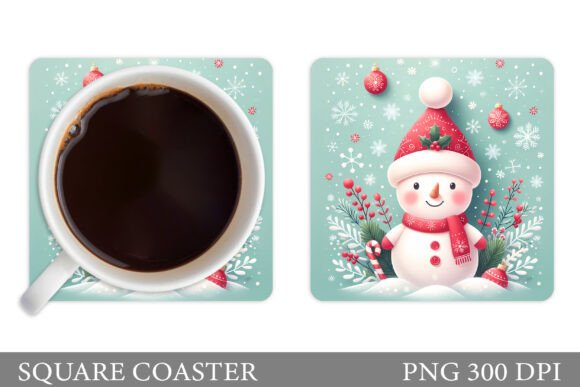
The immediate draw of Snowman Coaster. Christmas Coaster is its approachability. In a market saturated with aggressive reds and greens, this design seems to offer a softer, more nostalgic aesthetic. The visual personality feels cozy—exactly what buyers are hunting for when they want to decorate their homes or gift something personal during the holidays.
From a composition standpoint, the layout is balanced. It doesn’t feel cluttered, which is a common pitfall in holiday-themed embroidery where designers try to cram every ornament and candy cane into one space. Instead, the focus remains clear. This clarity is crucial because it translates directly to stitching success. A design that looks good on a screen can fall apart if the eye doesn’t know where to rest. This one guides the viewer’s eye naturally, suggesting that the final embroidered product will have a high-end, boutique feel rather than a homemade, haphazard look.
Real-World Application: Where Does It Fit?
Let’s talk about utility. An embroidery file is only as good as the products it can be applied to. I’ve been thinking through several scenarios where Snowman Coaster. Christmas Coaster would perform exceptionally well.
- Kitchen and Home Decor: As the name implies, this is perfect for coasters, but in the world of handmade goods, it translates beautifully to tea towels, kitchen aprons, and napkins. The theme fits the winter gathering season perfectly. Imagine a set of four embroidered tea towels featuring this snowman; it’s a high-value bundle for an Etsy seller.
- Apparel and Accessories: This design has strong potential for sweatshirt embroidery or tote bag design work. Because it is illustrative, it works well centered on the chest of a crewneck sweatshirt or placed prominently on the front panel of a canvas tote. It adds a touch of seasonal cheer without being overwhelming.
- Baby and Nursery Items: The soft nature of the illustration makes it suitable for baby embroidery projects. Think onesies, burp cloths, or nursery wall hangings. Parents love personalized gifts that feel gentle and timeless, and this design hits that mark.
- Commercial Embroidery Projects: For corporate gifting or small business merchandise, this serves as a friendly brand asset. It’s not too niche, making it safe for general audiences while still feeling special enough for a holiday party favor.
When you are creating design assets for clients, versatility is key. This design bridges the gap between a simple hobbyist project and a polished commercial product. It elevates a basic cotton towel into a keepsake item simply by virtue of the quality of the artwork.
Technical Execution and Stitch Considerations
This is where the rubber meets the road. As an experienced reviewer, I have to warn you: the beauty of an illustration lies in its details, and details are the enemy of speed and consistency in machine embroidery.
You need to scrutinize the stitch density carefully. If this design uses a mix of satin stitches for outlines and fill stitches for the body, ensure the transition points are clean. Rough transitions lead to puckering, especially on lighter fabrics. I recommend checking the thread colors against your specific fabric choices. White thread on white fabric can sometimes disappear or show up as shadowing depending on the sheen of the polyester or cotton blend you are using.
If the design incorporates satin stitch elements for facial features or accessories, pay attention to the direction of the stitches. Satin stitches should generally run parallel to the shape they are outlining to prevent thread breakage and ensure a smooth surface. If there are running stitch accents, make sure they are short enough to avoid tangling but long enough to be visible.
Another critical factor is the hoop size. Even if the design digitized within a small hoop, always test it on scrap fabric first. This allows you to judge the scale relative to the finished product. A snowman that looks charming on a coaster might look cramped on a cap brim. Conversely, it might look lost on a large pillow cover. Understanding the spatial relationship helps you advise customers or plan your own inventory effectively.
Where to Be Careful: Limitations and Risks
No design is universal, and Snowman Coaster. Christmas Coaster has specific contexts where it might struggle.
- Small Hoop Sizes: If you attempt to digitize or use this on very small items like hat patches or jewelry tags, fine details may get lost. The machine needle needs room to move without hitting previous stitches.
- Textured and Stretchy Fabrics: Avoid using this on thick terry cloth, fleece, or highly stretchy knits unless you are using a heavy-duty stabilizer. The weight of the embroidery could distort the fabric, causing the snowman to look warped or distorted after washing.
- Dense Stitch Areas: If the design has large solid blocks of color, it can become stiff and unwearable. For apparel, lighter fill stitches or fewer layers of thread are preferable for comfort.
- Curved Surfaces: While it can work on caps, curved surfaces require precise placement and tension adjustments. A flat design like this might not follow the curve of a baseball cap seamlessly without distortion.
Also, consider the end-user care. If you are selling these as handmade products, include care instructions. Machine-washable garments need durable stitching. If the design relies heavily on delicate satin stitches that fray easily, it might not hold up to frequent laundering, which can hurt customer trust and lead to negative reviews.
Final Verdict: Is It Worth Your Time?
Overall, Snowman Coaster. Christmas Coaster is a strong contender for anyone looking to capitalize on the winter holiday market. It offers a professional, illustrative quality that stands out in a sea of generic clipart. Its flexibility across home decor, apparel, and gifts makes it a valuable addition to any embroidery project library.
However, success depends on your preparation. Do not skip the test runs. Check your stabilizer choice—cut-away for woven fabrics, tear-away for stable knits (with caution). Inspect small details under good lighting. And most importantly, confirm the licensing terms before you start selling. Whether you are a seasoned pro or a hobbyist dipping your toes into the craft business, respecting intellectual property is non-negotiable.
If you execute this design with care, paying attention to contrast, tension, and fabric choice, you will create a finished product that customers will love. It’s not just a snowman; it’s a mood, a memory, and a potential revenue stream for your shop. Just remember: the design is only half the battle. The other half is the skill and attention to detail you bring to the machine.